



Sending thousands of messages out into the void and hoping that a small percentage will respond is no longer a marketing strategy; it is a risky gamble that drains budgets and exhausts teams. The era of the “megaphone”, when brands shouted about their benefits to mass audiences, has come to an end, giving way to a much more demanding but profitable reality: the era of dialogue.
Any marketing manager in the B2B sector will recognise that feeling of frustration: having an excellent technology product, a segmented database and, despite all that, seeing open and conversion rates stagnate. The problem is not your solution, but the way you are trying to connect. Today’s customer, overwhelmed by static advertising messages, is no longer looking for a banner or a generic email; they are looking for an immediate answer to their specific problem.
The rise of artificial intelligence — especially generative AI — is changing the rules of the game. And it is not just about automating processes, but about transforming the relationship between brands and customers.
From campaigns to conversations: the real shift
Traditional marketing was based on a clear logic: design campaigns, launch them and measure the results. Today, that logic is evolving towards something much more dynamic: interacting, responding and adapting in real time.
AI allows each user to receive messages, content and responses tailored to their context, behaviour and intent at that specific moment. We are no longer talking about segments, but about individuals.
For many companies, this is where the first major challenge arises: continuing to invest in campaigns that no longer connect as effectively as they once did, while watching their conversion rates stagnate or decline.
From segmentation to intent: understanding what the customer needs now
One of the most significant changes is the shift from demographic segmentation to intent-based personalisation.
AI can analyse real-time signals — searches, digital behaviour and previous interactions — to identify what a user needs at that moment and adapt the message accordingly.
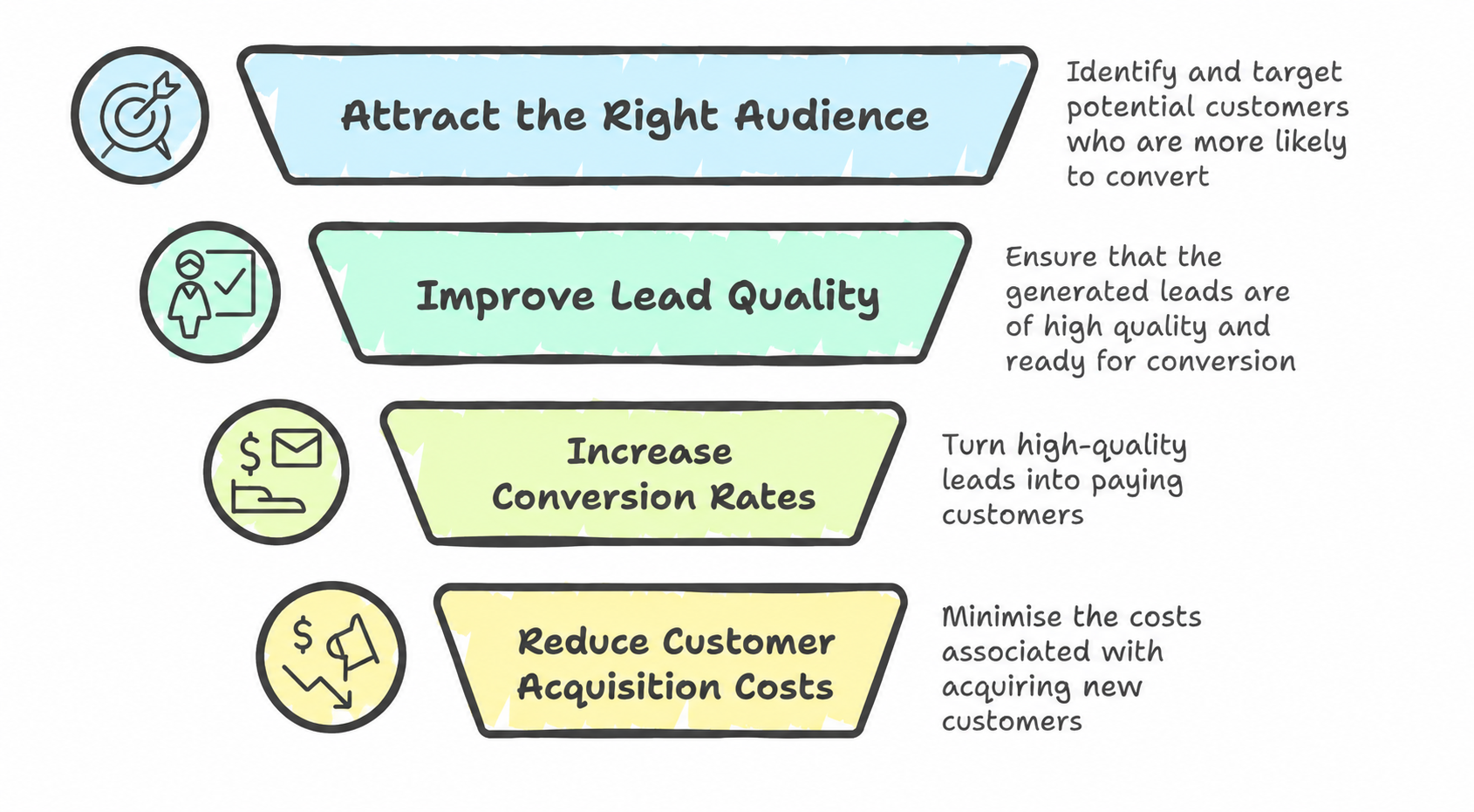
However, many brands are still working with static models that fail to take advantage of this capability, creating a clear disconnect between what users expect and what they receive.
Continuous conversation: the new marketing channel
The rise of advanced chatbots, virtual assistants and voice agents has turned conversation into a new strategic channel.
It is no longer just about customer service, but about supporting users throughout the entire funnel: answering questions in real time, recommending personalised solutions and creating sales opportunities.
The problem is that implementing technology without a clear strategy often leads to impersonal experiences: bots that do not understand, generic responses or interactions that frustrate users. And this is where many companies lose opportunities without even realising it. And this is where many companies lose opportunities without even realising it.
Adopting this technology comes with an important risk: the loss of authenticity. In a sea of machine-generated responses, one of the biggest challenges for a brand is sounding exactly like its competitors. Standing out means maintaining a distinctive and consistent voice.
The key to success is not replacing your team with bots, but creating effective human-AI collaboration. AI provides speed and analytical capabilities; people provide judgement, strategy and empathy. It is this balance that makes it possible to build conversations that genuinely generate trust.
Dynamic content: messages that evolve with the user
AI is also revolutionising the way content is created and optimised.
It is now possible to:
- Generate multiple versions of a message- - Automatically test what works best
- - Adapt creative assets based on user behaviour
This allows marketing to move from being static to becoming evolutionary. But it also introduces a risk: falling into the trap of bland, generic messages that fail to differentiate the brand. That is why combining technology with strategic judgement is more important than ever.
AI and search: the silent shift
Another change that many companies have yet to address is how AI is transforming the way users discover brands.
Search is no longer limited to traditional search engines. Increasingly, users are interacting with conversational assistants that recommend solutions directly. If your content is not prepared to become the answer an AI provides, you risk becoming invisible, regardless of how much you invest in advertising.
This means that:
- - Visibility no longer depends solely on traditional SEO
- - Content must be prepared to be interpreted by AI
- - Digital strategy must adapt to new environments
- In fact, a significant proportion of current investment in digital visibility has no influence on how AI systems recommend brands. And that has a direct impact on results.
The key balance: automation with human judgement
AI makes it possible to personalise at scale, but the human element is still what makes the difference.
The most successful brands do not replace their teams; they empower them. They automate repetitive tasks and reserve human intervention for the moments that genuinely influence decision-making.
That balance is what separates an adequate experience from one that generates trust, conversions and brand recall.
What does all this mean for your marketing?
If your campaigns are becoming less effective, if you are generating leads that do not convert or if your message no longer connects as it once did, the problem is probably not investment.
It is a problem of approach.
The challenge is no longer to launch campaigns, but to design conversational experiences that support users, understand their intent and deliver value at every interaction.
At PGR, we help technology brands adapt to this new landscape by designing B2B marketing strategies that combine data, automation and artificial intelligence to turn every interaction into a genuine business opportunity.
If you want to evolve your marketing from campaigns to conversations that genuinely convert, let’s talk.
